
Research
Piecing together the life of George Masa
Research into George Masa has unfolded over more than a century, shaped by the efforts of friends, historians, photographers, journalists, and filmmakers. This page summarizes this work and serves as a centralized hub for books, articles, archival materials, and primary sources that have contributed to our understanding of Masa’s life, while supporting ongoing research and future discoveries.
The short long story of Masa research
Research into George Masa began the day he died, with his close friends reaching out to one another and even to Tokyo for clarification about who George Masa actually was. They pieced together what they could come up with, including it in various obituaries, and that is pretty much all that was known about Masa’s past for some 70 years.
In 1993, the Carolina Mountain Club’s Peter Steurer put together a profile of Masa for the club’s 70th anniversary, consolidating club knowledge and memories of Masa. Later in that decade, William (Bill) Hart Jr. began his inquiry into Masa, leading to his 1997 article “The Best Mountaineer” published in Robert Brunk’s anthology “May We All Remember Well Vol. 1”. Those works and some research by photographers Gil Leebrick and Ben Porter and journalist Rob Neufeld, who wrote several newspaper stories about Masa. These efforts clarified much and brought awareness to his story and photographs, but also revealed a huge gap, a wall in fact, of virtually nothing factual before his arrival in Asheville in 1915.
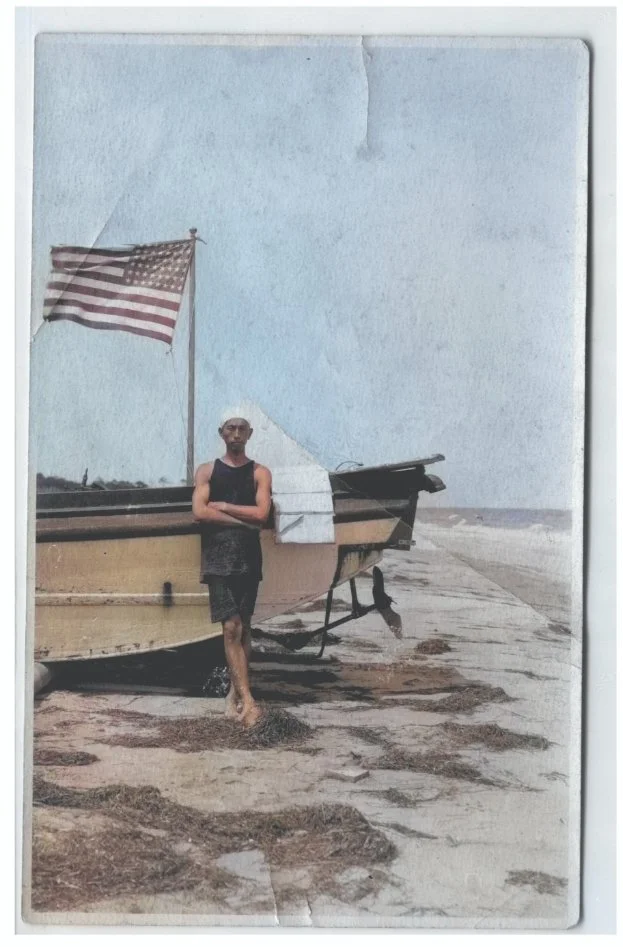
In 2000, filmmaker Paul Bonesteel began research to find as many photographs by Masa as possible to provide sufficient material for a film, and second, to understand his story in greater detail and possibly his history. Translations of his small, sparse journal from Japanese into English were revealing. It provided scant details about his months in New Orleans before coming to Asheville, but also the fact that he had come from California, describing his departure as “launching out on an adventure”. Bonesteel and company completed the film “The Mystery of George Masa” in 2002, which was broadcast on PBS in 2003 and then again in 2008.
The “Mystery of George Masa” broadcast led to the discovery of the “Yama letters” and to the ongoing emergence of Masa photos from various archives and collections.
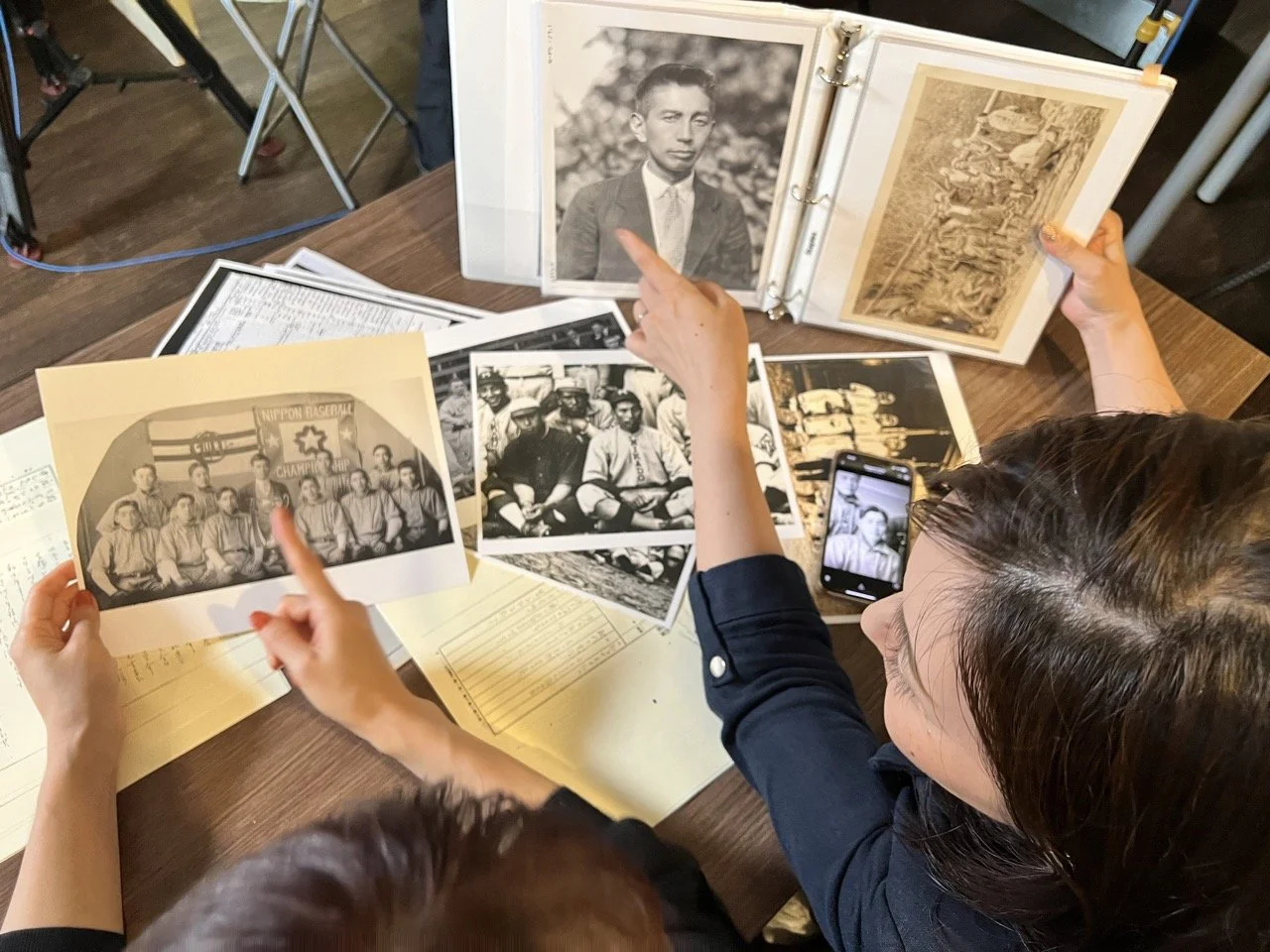
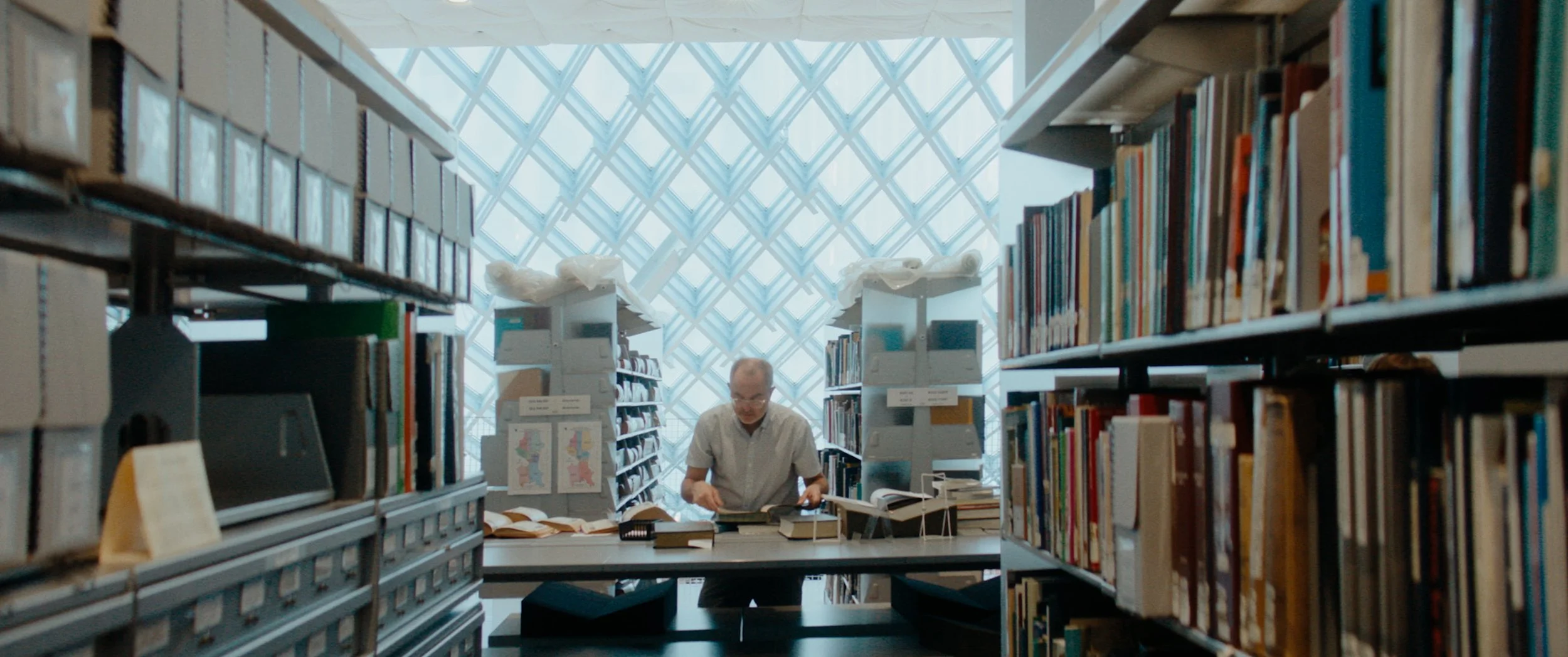
The ‘modern phase’ of research began in 2019 with the efforts by Janet McCue and Bonesteel to conduct a wide and thorough investigation into Masa. Following her work with George Ellison on “Back of Beyond” biography about Masa’s friend, the writer Horace Kephart, McCue approached Bonesteel about collaborating on a book about Masa that he had long envisioned but was daunted by the task alone. Using the Yama letters and many newly digitized sources that were previously unavailable, they worked with genealogist Linda Harms Okazaki and a team of researchers in the United States and Japan to explore virtually every conceivable path to information and clarity about Masa.
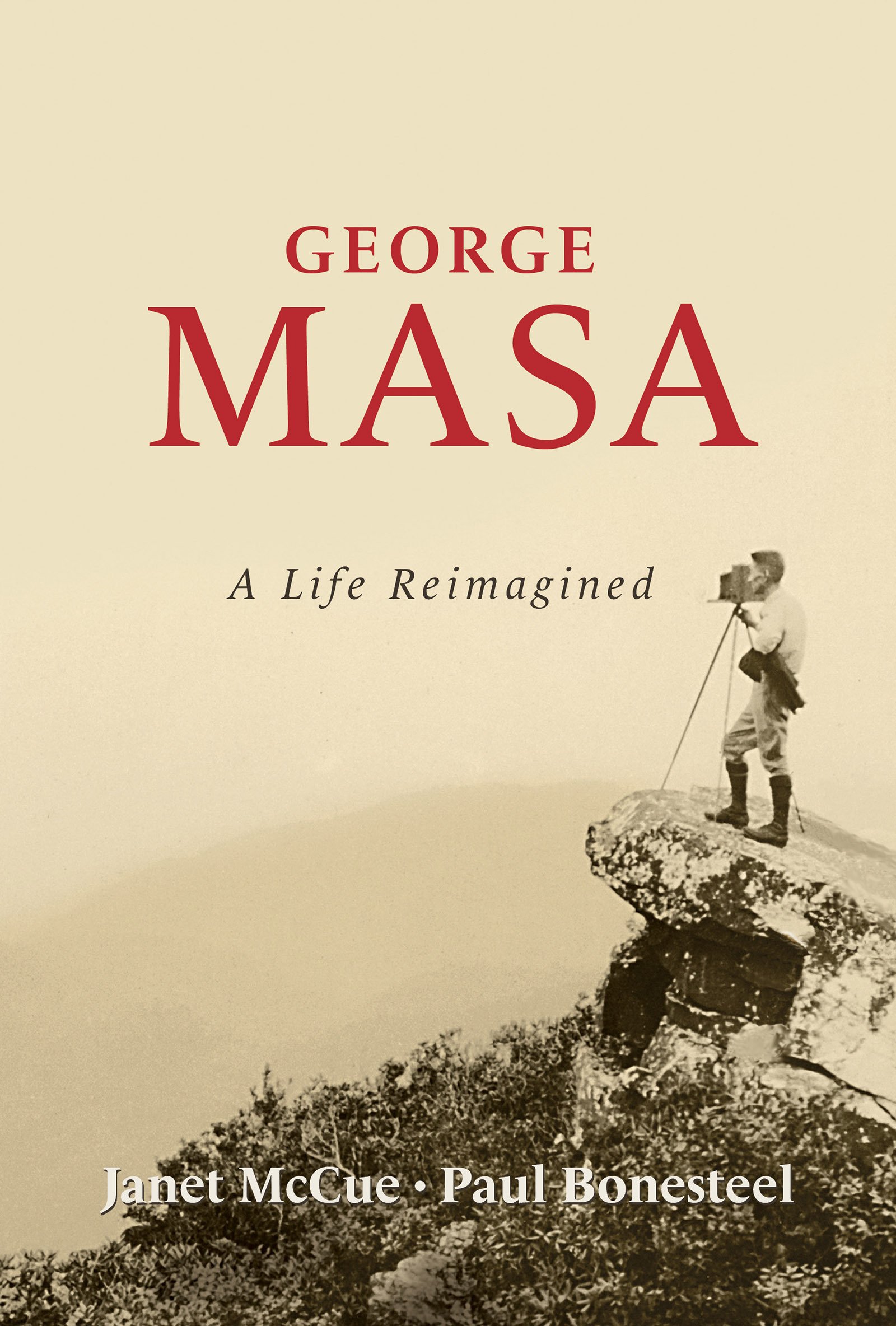
This phase of research has produced the most comprehensive account of Masa’s story in the book George Masa: A Life Reimagined by Janet McCue and Paul Bonesteel, published in 2024 by Smokies Life. During the book's writing, and through discoveries and collaborations with people who shared a passion for Masa’s story, the documentary film A Life Reimagined: The George Masa Story emerged and will be released in May 2026.
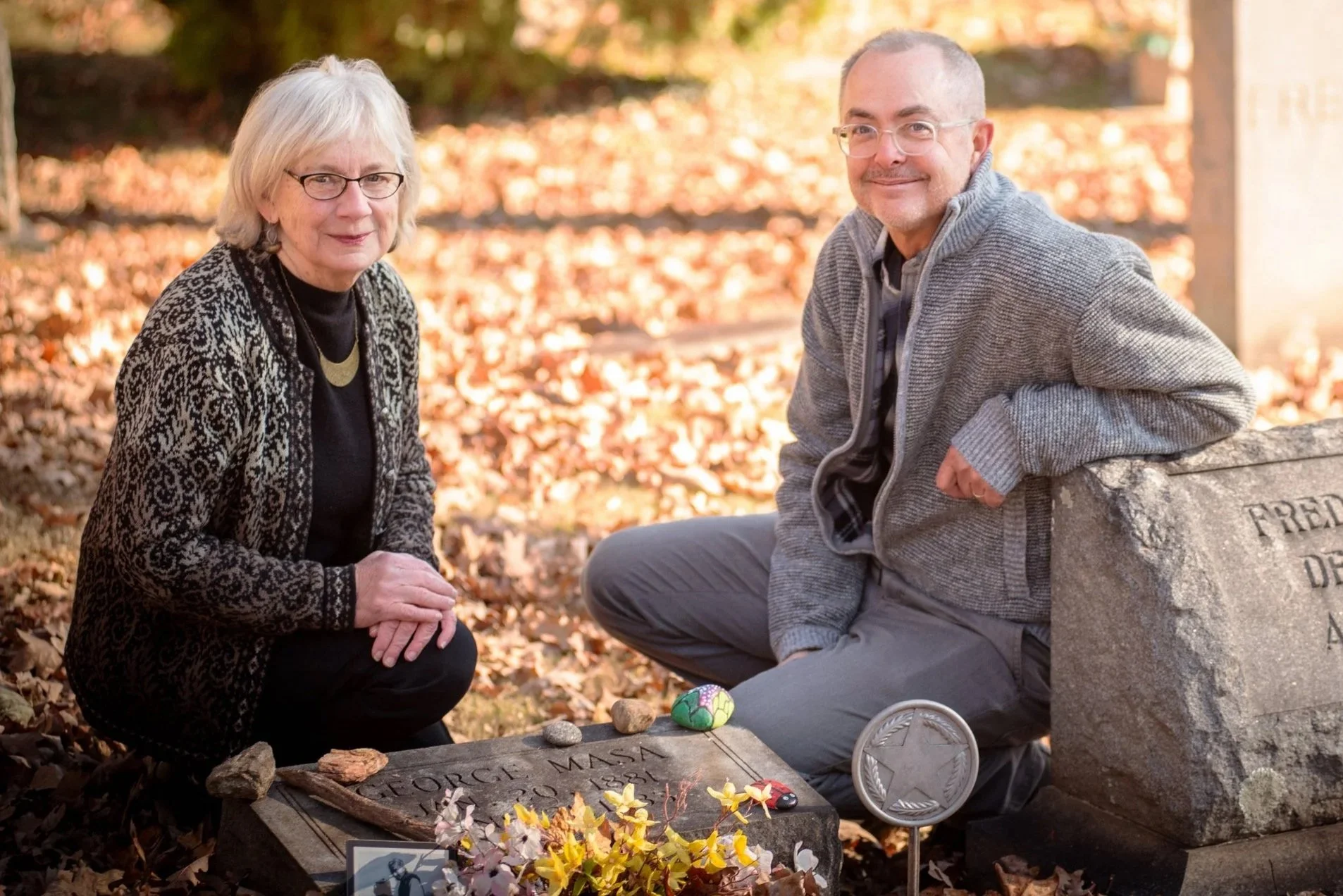
Janet McCue & Paul Bonesteel
at George Masa’s gravesite, Riverside Cemetery, Asheville, NC.
Parallel to the modern phase of research is the work of Angelyn Whitmeyer, who has diligently researched and organized Masa’s photographic history. On her George Masa photo database website, you can go down many, many rabbit holes on your own, seeing photos Masa made for hundreds of clients and projects, and the sources that hold these photos.
Research & Resources
-
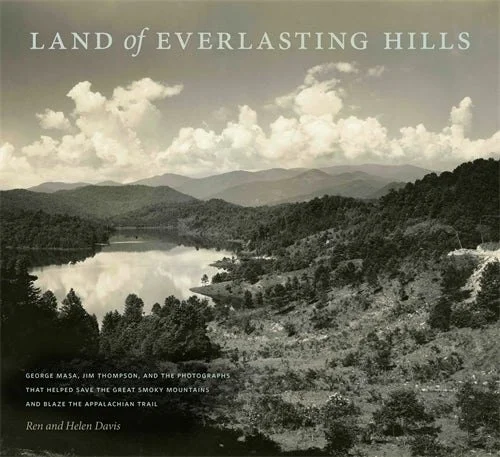
Land of Everlasting Hills, George Masa, Jim Thompson, and the Photographs That Helped Save the Great Smoky Mountains and Blaze the Appalachian Trail
-
-
Research credits
-
Buncombe County Special Collections, Pack Memorial Library
University of North Carolina at Asheville, Ramsey Library,
Special Collections and University Archives
Western Carolina University, Hunter Library, Special and Digital Collections
George Mason University Libraries, Special Collections Research Center
University of North Carolina at Chapel Hill, Wilson Special Collections
Biltmore Estate Archive, Biltmore Museum Services
University of Washington, Special Collections
Asheville Citizen-Times Archive
Smokies Life
Collections Preservation Center, National Park Service
Densho
Nippon Kan Heritage Association Collection
Yasui Family Collection, Wakaichi "Buck" Ohashi Family Collection
Alameda Japanese American History Project
Mazamas Library and Historical Collection
Judy Coker Family Collection
Jewell King Collection
Jeanne Creasman Lance Family Collection
United States National Archive
North Carolina State Archive
David Eskenazi Collection
Bruce Johnson Collection
Meiji University Archives
Japanese Alpine Club Archives
Noriyoshi Kato Family Archive
National Diet Library, Japan
Japanese Ministry of Foreign Affairs, Diplomatic Archives
McClung Historical Collection, Knox Public Library, Knoxville, Tennessee
Highlands Historical Society, Highlands, North Carolina
Cashiers Historical Society
Miller Printing Collection, Daniels Graphics
Frank Thompson Collection
Pond5
Dissolve
Carolyn Morrisroe
Obama Presidential Library
Shizuoka Asahi Television
-
Stephanie Martinez
Naoko Tanabe
Angelyn Whitmeyer
Bryding Adams
Cynthia Basye
Geri Auerback
Marlee Goto
Koichi Muro
Ben Pease
Ken Wise
Kaoru Ueda
Matthew Hanson
David Weinstein
Kazuhiro Oharazeki
Jan Zeserson
Kelly Dietz
Tina LeFreniere, Related Faces
Frank Thompson
Buncombe County Special Collections
Carissa Pfieffer
Jenny Bowen
Katherine Calhoun Cutshall
Biltmore Estate
Lori Garst
Jill Hawkins
Hannah Parks
Laura Cope
Dini Pickering
Chase Pickering
UNC Asheville, Ramsey Library
Gene Hyde (retired)
Ashley Whittle
Western Carolina University, Hunter Library
Jason Brady
Peter Koch
Loran Berg
Cashiers Historical Society
Lindsay Garner Hostetler
Amelia Golcheski
George Mason University
Mieko Pallazo
Stephanie Martinez
University of North Carolina at Asheville
Gene Hyde
Ashely Whittle
North Carolina Western Regional Archives
Sarah Downing
North Carolina State Archives of North Carolina
Lauren Murphree
Densho
Caitlin Oiye Coon
Naoko Tanabe
Micah Merryman
Brian Niiya
Dana Hoshide
University of Washington, Special Collections
Anne Jenner
Allee Monheim
Ruba Sadi
Seattle Public Library Special Collections
Ann Ferguson
Jade D'Addario
Bennett Barr
Japanese American Museum of Oregon
Hanako Wakatsuki-Chong
Lucy Capehart
Cynthia Basye
Williams Research Center, Historic New Orleans Collection
Jennifer Navarre
Center for Creative Photography
Elias Larralde
Collections Preservation Center in the Smokies
Michael Aday
East Tennessee History Center McClung Collection
Joanna Bouldin
Highlands Historical Society
Randolph Shaffner and Lance Hardin
San Francisco Museum of Modern Art
Peggy Tran-Le
Abby Bridge
San Francisco Public Library, Special Collections
Kelly Sheehan
Stanford University
Regan Murphy Kao
University of California Los Angeles Special Collections
Neil Hodge
Juliana Jenkins
Cornell University
Eisha Neely
Dan McKee
-
Smokies Life
Laurel Rematore, Frances Figart, Aaron Searcy, Lisa Horstman, Elly Wells, Keely Knopp
Research Funding
Cornell University’s Podell Endowment Award for Research and Scholarship
Reviewers
Helen and Render Davis, William A Hart Jr., Ashley Miller, Linda Harms Okazaki, Robert Kibbee and Ken Wise.
Special assistance to the authors
Wyndy Bonesteel and Boj Kibbee, Georgia and Peter Bonesteel, Jonah and Luke Bonesteel, Matthew and Andrew Kibbee.